

A Tribute to the Brownings
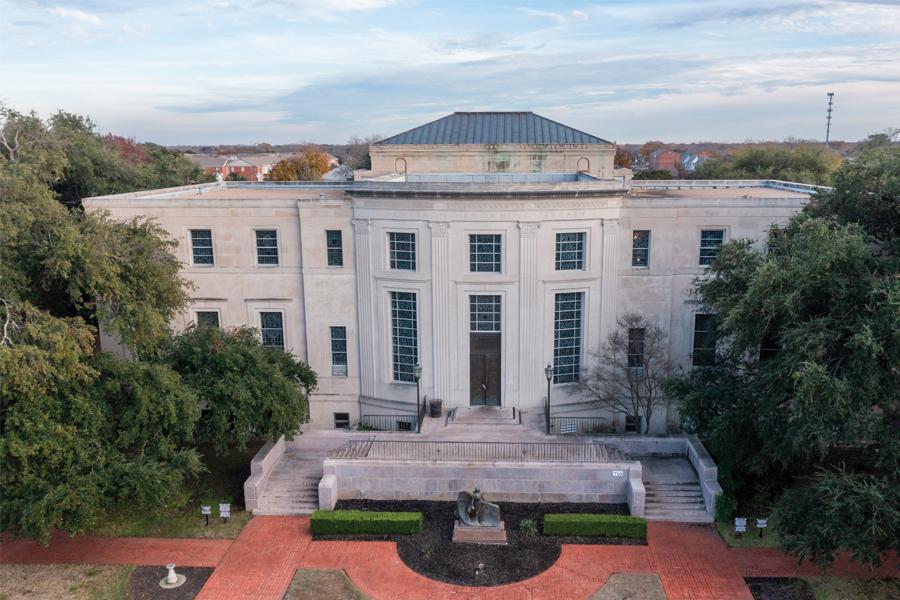
One of the crown jewels of Baylor’s campus, the Armstrong Browning Library was the product of many contributions of time, talent and treasure by the Baylor Family in support of the singular vision of one man — A.J. Armstrong. He dedicated much of his life to the study and preservation of the work of the Victorian English poets Robert and Elizabeth Barrett Browning. This December, Baylor University will celebrate the 75th anniversary of the library’s dedication.
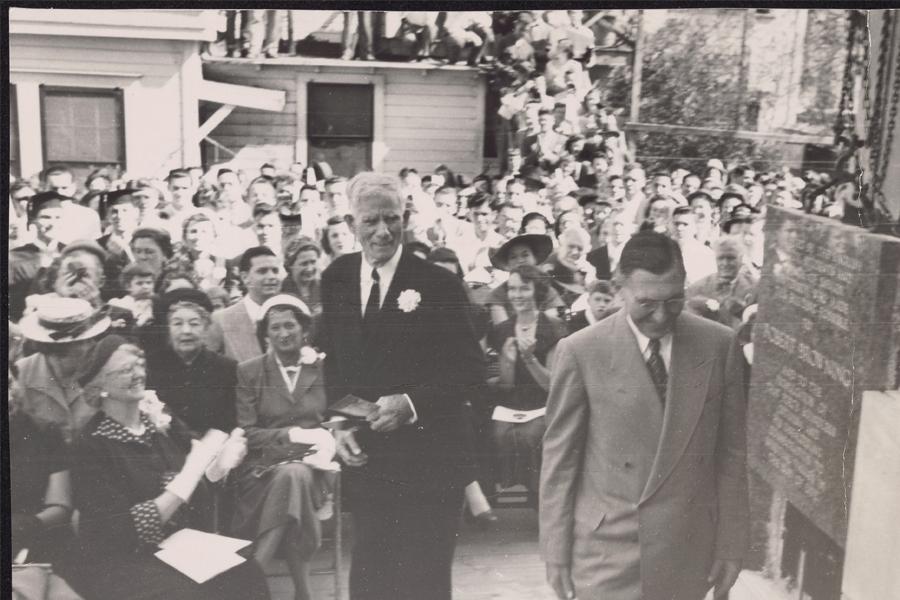
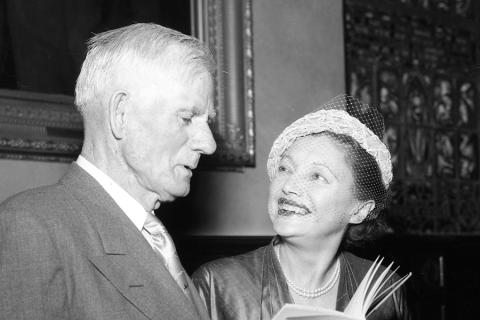
The now world-famous collection of materials relating to the Brownings began in 1918, when Armstrong donated his personal collection of Browning items to the University. After earning a doctorate from the University of Pennsylvania, Armstrong served as chair of Baylor’s English department from 1912 to 1952.
During those 40 years of leadership, the tall and lanky Armstrong tirelessly raised funds to expand the Browning collection and build a library of proper grandeur to house it. These efforts ranged from conducting educational tours overseas to Browning-related locales to booking performances on campus by such literary celebrities as Robert Frost and Nobel laureate William Butler Yeats.
Known for such works as his epic poem The Ring and the Book, Robert Browning (1812-1889) was one of the Victorian era’s most prominent literary figures. In 1846, he married poet Elizabeth Barrett (1806-1861) in London, and the couple spent the rest of their years in Florence, Italy, a location deemed appropriate for Elizabeth’s frail health. Among her most-recognized work is the sonnet “How Do I Love Thee?” from Sonnets from the Portuguese and her verse novel Aurora Leigh.
In 1943, after decades of laboring to turn his dream into reality, the 70-year-old Armstrong appealed for help from Baylor President Pat Neff, who offered $100,000 in institutional support but charged Armstrong to raise the remaining funds necessary to build the facility that would house the growing Browning collection and serve as the English department’s new home.
Despite the difficult fundraising environment created by World War II, Armstrong succeeded in meeting Neff’s challenge. Five years later, on May 7, 1948, a groundbreaking ceremony for the $1.75 million, three-story Armstrong Browning Library was held.
While the building was under construction and as Armstrong’s health deteriorated, his wife, Mary Maxwell Armstrong, assumed a guiding role in consulting with architects, designers and builders to make major decisions of practical and aesthetic significance. Finally, on Sunday afternoon, Dec. 2, 1951, the library was dedicated amid a number of celebratory activities that weekend.
Today, the Armstrong Browning Library houses the world’s largest collection of books, letters, manuscripts and memorabilia pertaining to the Brownings, as well as a substantial collection of primary and secondary materials related to 19th-century literature and culture.
Scholars and enthusiasts of Robert and Elizabeth Barrett Browning regularly travel to Waco from around the world to conduct research at the library.
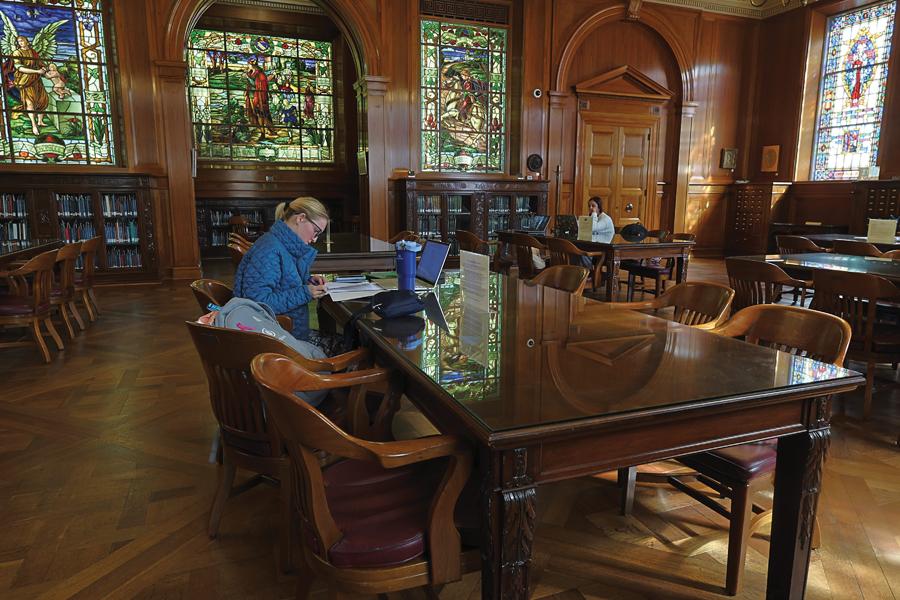
Even visitors with limited knowledge of the Victorian poets are attracted to the Baylor landmark for its stunning beauty. The library boasts 62 stained glass windows, which are believed to be the world’s largest collection of non-religious stained glass. A 45-foot-tall dome in the Foyer of Meditation is surrounded by eight red levanto marble columns imported from Italy, a nod to the Brownings’ many years abroad. The grounds surrounding the building have been transformed into the Garden of Contentment, dedicated in September 2012, further fulfilling Armstrong's original vision of the library and its grounds to be a place of learning, meditation and reflection.
The architectural detail and beauty of the library has been the backdrop for not only study for researchers across the world and Baylor students alike, but also has hosted the celebration of weddings and offered a peaceful place of reflection.