

Investing in Education
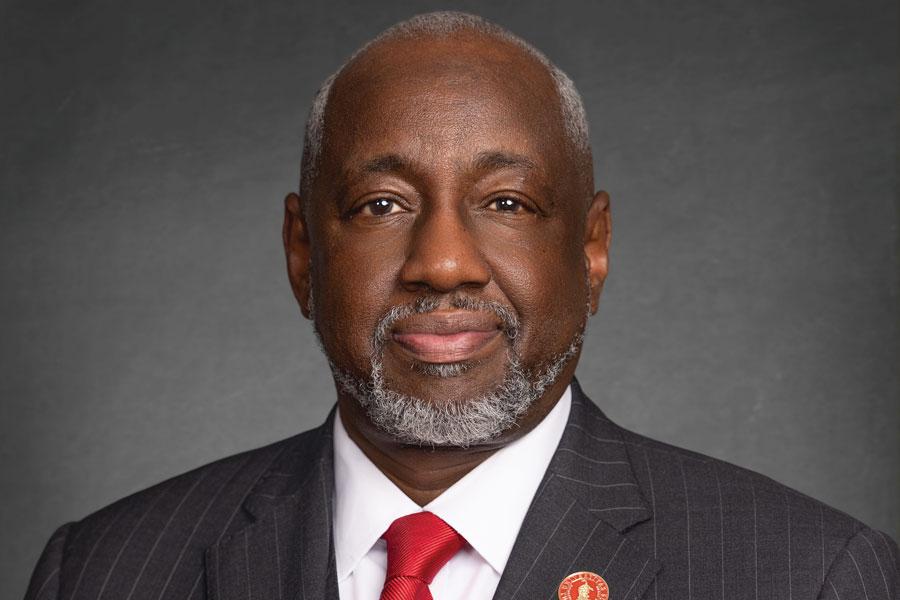
Mark Brown, Ed.D. ’22, is the 10th president of Tuskegee University and the first Tuskegee graduate to hold the position. Previously, he was a two-star major general with a 32-year career in the U.S. Air Force, after which he served as the chief operating officer of the U.S. Department of Education’s Office of Federal Student Aid.
Brown is a champion of education and holds three master’s degrees: in public administration, strategic studies and national security strategy. When it came to his doctorate in education, Brown pursued his degree at Baylor while in the workforce.
“Thank God for Baylor University and its ability to produce a program that can service the adult learner,” Brown said. “I worked full-time, like most of my classmates, and it was fairly busy in my day job. I do not want to mislead anyone to think this was easy; it was very hard. But it was also structured to allow me to work.”
Brown believes that there is no shortage of work to be done when it comes to the future of education. He also believes wholeheartedly that education should create social and economic mobility — that education is a wise investment. Brown is not only passionate about the work that was done before him, but also about what lies ahead.
“I feel my position is a form of public service with the ultimate goal being for the greater good of students and talent for the nation. The heritage of Tuskegee is more than the school. When there was not a veterans’ hospital in the South that veterans of color could go to, Tuskegee donated the land and built it. When people of color began to get medical degrees and needed to do clinicals but were not allowed in certain hospitals, they came here and did clinicals in that hospital. When we were worried about soil quality, we learned about the value of soil rotation and multiple uses of peanuts under the leadership of Dr. George Washington Carver. That is why I often say that Tuskegee students and dedicated staff don’t just do research; rather, they do research that solves the world’s most complex problems.”